
Uro-Gynaecology (Female Urology)
Compassionate, expert management of female urinary tract conditions, incontinence, and pelvic floor disorders.
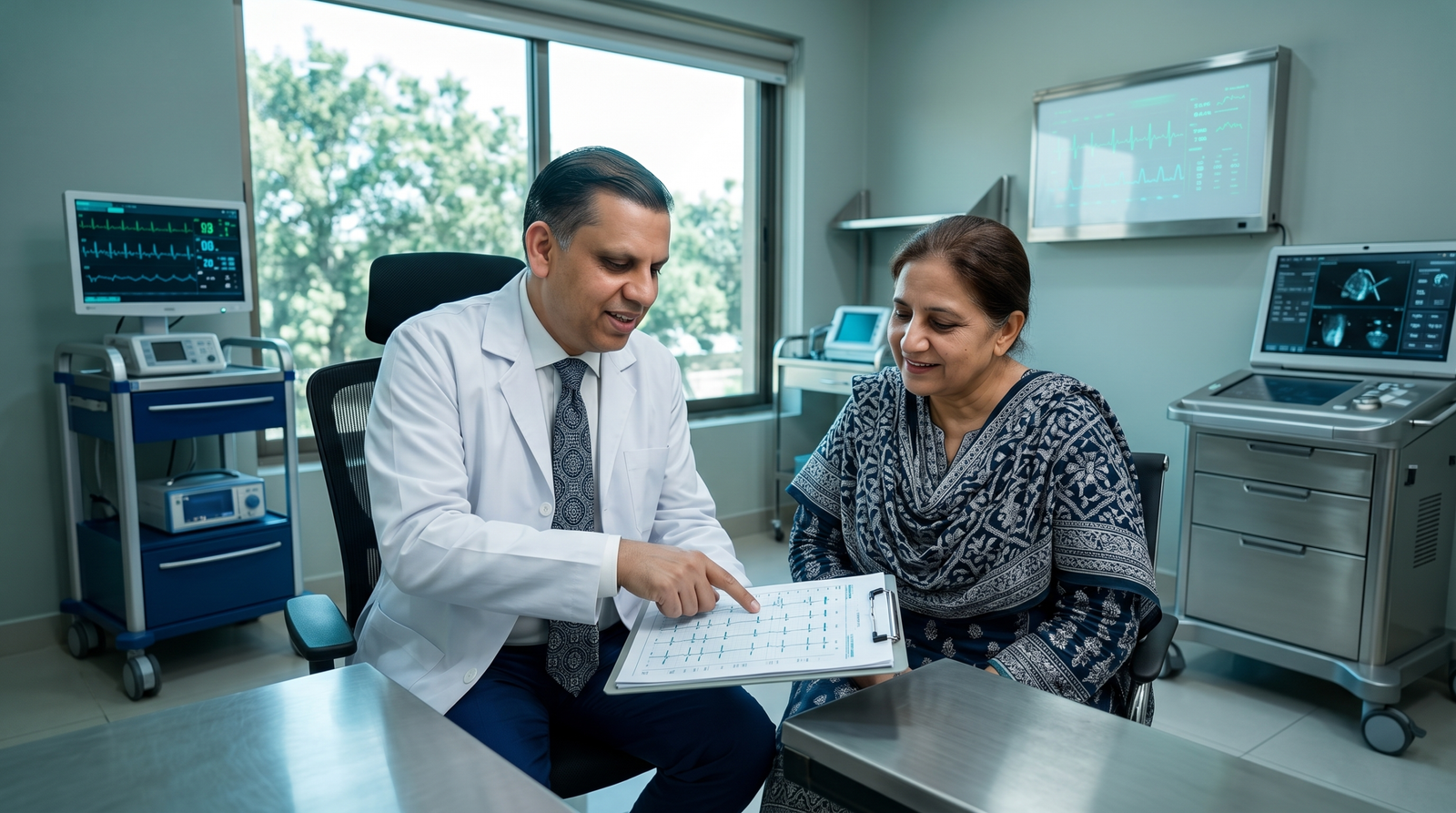
Specialized Care for Women
Many women silently endure urological issues like urinary incontinence (leakage), recurrent infections, or pelvic pain, believing them to be a normal part of aging or childbirth. However, these conditions are highly treatable.
Uro-Gynaecology bridges the gap between urology and gynaecology. Dr. Athar Hameed provides discreet, comprehensive evaluation and advanced treatment options—ranging from targeted pelvic floor therapies to minimally invasive corrective surgeries—to restore your confidence and quality of life.
Conditions We Treat
Urinary Incontinence
Management of Stress Incontinence (leakage when coughing or exercising) and Urge Incontinence (Overactive Bladder) through medication, Botox, or sling procedures.
Recurrent UTIs
In-depth investigation of frequent urinary tract infections using cystoscopy and ultrasound to identify underlying causes and establish long-term prevention strategies.
Pelvic Organ Prolapse
Evaluation of dropped or fallen bladder (cystocele) causing pelvic pressure or difficulty emptying, with conservative and surgical treatment options available.
Interstitial Cystitis
Diagnosis and multi-modal treatment of painful bladder syndrome, providing relief from chronic pelvic pain and urinary frequency.
Why Choose Dr. Athar Hameed?
Dr. Athar Hameed approaches female urology with the utmost sensitivity and respect. By combining state-of-the-art diagnostic tools with evidence-based treatments, he ensures that every woman receives personalized care in a comfortable, supportive environment.
Frequently Asked Questions
Take the Next Step
Book a consultation with Dr. Athar Hameed today to discuss your symptoms and get a personalised treatment plan.