
Bipolar TURP — modern plasma resection for reliable prostate de-obstruction.
Bipolar Transurethral Resection of the Prostate (TURP) uses advanced saline plasma energy to vaporize and core out obstructing tissue with significantly lower bleeding risks than older monopolar methods.
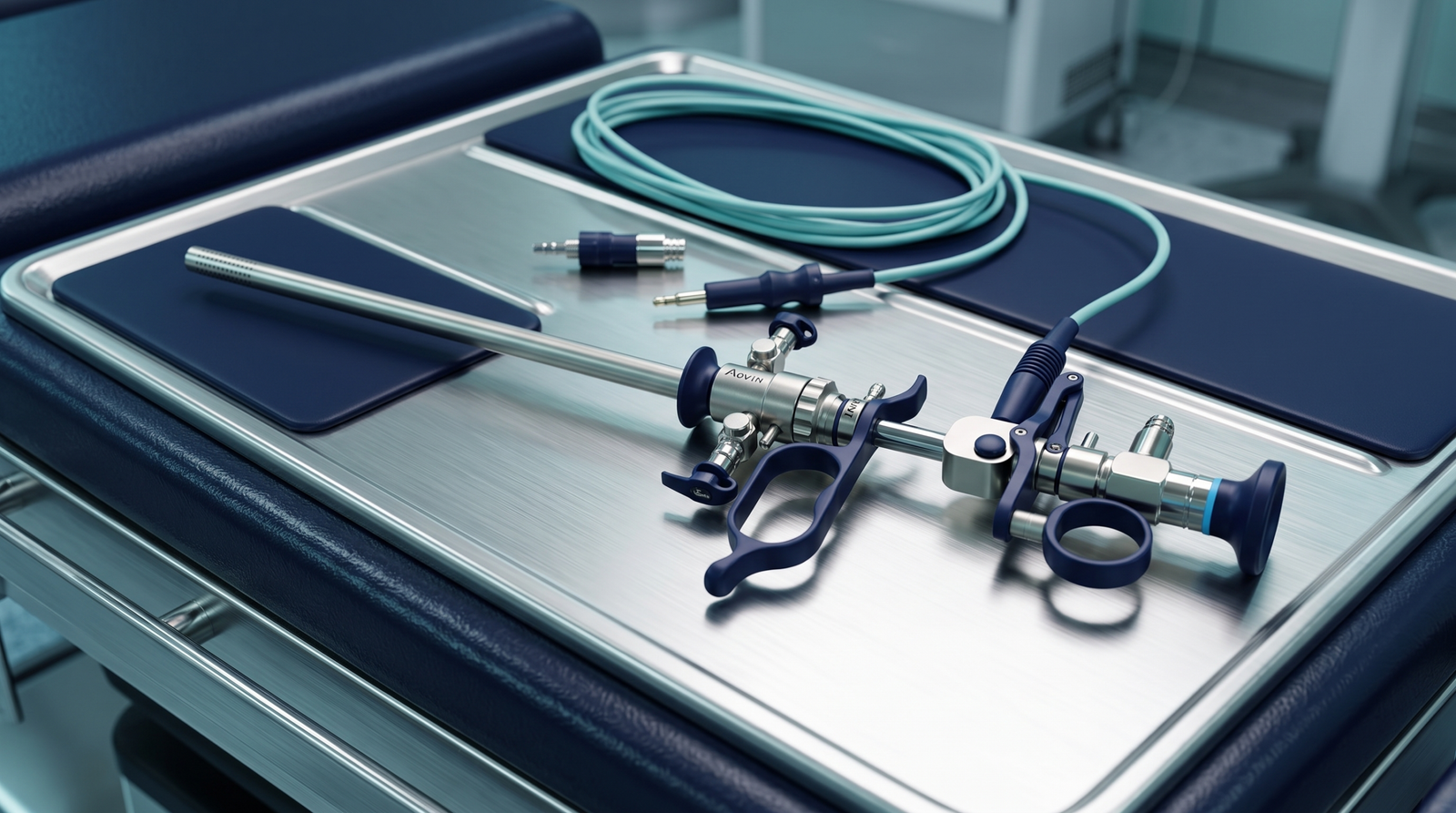
Procedure at a Glance
How the Procedure Works
Endoscopic Visualization
Resectoscope introduced transurethrally under direct high-definition camera control.
Bipolar Plasma Resection
Fine electrical plasma loop chips away obstructive inner prostate tissue in normal saline.
Continuous Haemostasis
Bipolar energy seals micro-vessels immediately, keeping the operating field completely clear.
Channel Clearance
Tissue fragments irrigated out of the bladder and sent for routine histopathology.
Is This Treatment Right For You?
Ideal Candidate If:
- ✓ Men with moderate prostate enlargement (30g to 80g) with severe urinary blockage
- ✓ Patients experiencing urinary retention, recurrent bladder stones, or kidney back-pressure
- ✓ Patients seeking a tried, tested, and reliable surgical channel restoration
Alternative Options Considered If:
- • Very large prostates (>80-100g) better suited for HoLEP laser enucleation
- • Patients requiring complete preservation of antegrade ejaculation (Rezūm preferred)
- • Patients with active unmanaged coagulopathies
Compare Surgical Approaches
| Factor | TURP & Bipolar TURP | Monopolar TURP (Old) | HoLEP Laser |
|---|---|---|---|
| Incision / Cut | Zero (Transurethral) | Zero Cut | Zero Cut |
| Hospital Stay | 24–48 Hours | 3–4 Days | 24 Hours |
| Return to Work | 7–10 Days | 3 Weeks | 3–5 Days |
Frequently Asked Questions
What is the advantage of Bipolar TURP over conventional TURP?
Bipolar TURP operates in normal physiological saline rather than glycine water, completely eliminating the risk of TUR syndrome and allowing safer resection with less bleeding.
How long will the urinary catheter stay in place?
The catheter is typically removed within 24 to 48 hours once urine output runs clear and light.
When can I resume normal physical activities?
Light desk work can be resumed within 7 days. Strenuous exercise or heavy lifting should be avoided for 3 to 4 weeks to prevent secondary bleeding.
Book Procedure Consultation at Farooq Hospital DHA
Direct surgical assessment, pre-op clearance review, and procedure scheduling with Dr. Athar Hameed.
Book WhatsApp Consultation